
There’s a moment we all know too well. You pick up your phone to check one thing. Twenty minutes later, you resurface with no memory of what you watched, no idea why you’re still scrolling, and a faint, familiar dread. Your brain feels foggy. Your attention feels thin, stretched over a hundred tabs that were never actually open.
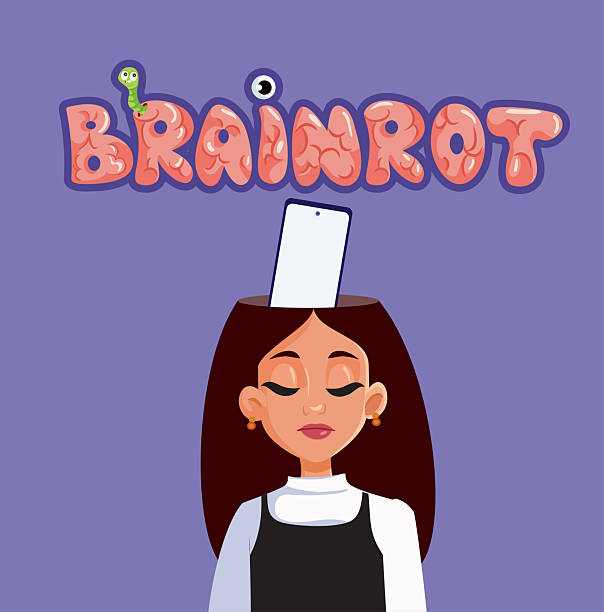
That feeling has a name now: brain rot. It’s what happens when your mind is fed a constant diet of low-effort, high-stimulation content — short clips, outrage headlines, algorithmic feeds engineered to be unputdownable but never nourishing. And the scary part isn’t just that it feels bad. It’s that it’s working exactly as designed.

The Rot Is a Feature, Not a Bug
Every scroll, swipe, and autoplay is the product of thousands of hours of optimization — not for your wellbeing, but for your attention. The apps don’t want you to leave satisfied. They want you to leave later, having barely noticed the time pass. That’s not a personal failing. That’s an arms race between your willpower and a trillion-dollar industry, and the industry has better weapons.
Once you see it this way, the guilt starts to loosen. You’re not weak-willed. You’re outmatched by design. Which means the solution isn’t more willpower — it’s better structure.
What Brain Rot Actually Costs You
It’s easy to dismiss this as harmless fun, but the costs are real and cumulative:
- Attention span shrinks. The more your brain adapts to rapid-fire stimulation, the harder it becomes to sit with slower, deeper tasks — reading, writing, thinking.
- Memory gets slippery. Content consumed passively and quickly rarely gets encoded meaningfully. You watch a hundred videos and remember none of them.
- Mood dips quietly. Passive scrolling is consistently linked to worse mood afterward, even when it felt relaxing in the moment.
- Time evaporates. Not dramatically — just an hour here, ninety minutes there, until a week has passed and you can’t say what filled it.
None of this shows up immediately. That’s what makes it rot: slow, quiet, cumulative decay rather than a single visible injury.
How to Actually Stop It
This isn’t about deleting every app and moving to a cabin. It’s about building small, deliberate frictions and replacements that tip the balance back in your favor.
1. Make the default boring. Delete the apps from your home screen, or better, from your phone entirely, and access them only through a browser. The tiny bit of friction is often enough to interrupt the automatic reach-and-scroll reflex.
2. Replace, don’t just restrict. Willpower fades. Environment doesn’t. Keep a real book, a notebook, or a puzzle within arm’s reach — something your hands can default to instead of your phone.
3. Protect one deep-focus block a day. Even 25 uninterrupted minutes of reading, writing, or focused work rebuilds the attention muscle that fast content erodes. Treat it like a non-negotiable appointment.
4. Audit your feed like you’d audit your diet. Unfollow accounts that leave you feeling worse, angrier, or emptier. Follow ones that teach you something or make you want to create rather than just consume.
5. Notice the come-down. After a scrolling session, pause and check in: how do I actually feel right now? That small moment of awareness, repeated often enough, becomes its own quiet deterrent.
The Point Isn’t Purity
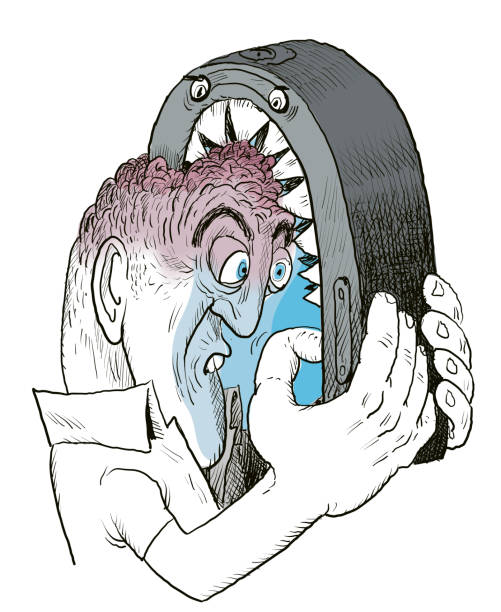
You don’t need a perfect relationship with your phone. You need an honest one — where you’re choosing to open an app because you want to, not because your thumb moved there before your brain caught up.
Stopping the rot isn’t about becoming someone who never watches a dumb video again. It’s about making sure that when you put the phone down, you feel like you spent your time instead of losing it.
That’s the whole idea behind this site: small, doable shifts that help you notice the rot before it sets in — and choose something better, one scroll at a time.
hello